Yet Another DevOps Ticket: Increase EQ through Emotional Agility - Introducing PNT’s EQ Booster Play
Ok team, here’s more bad news, not only is IT having to save the organisation as we were saying last week, but we need to talk about a major task. This is no news and we’ve waited long enough thinking maybe someone else -some other department or function- would pick it up but no one stepped up....

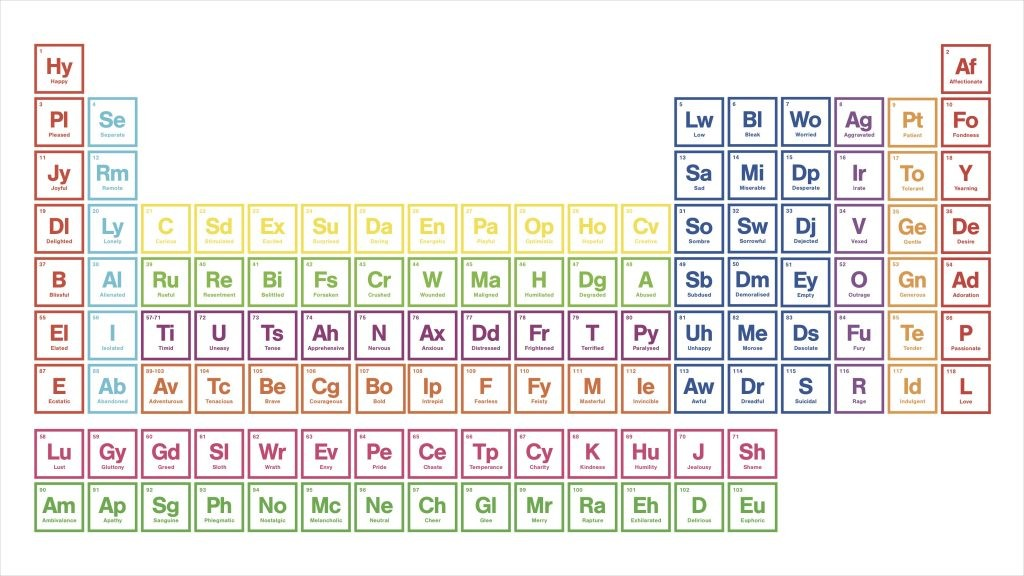
Ok team, here’s more bad news, not only is IT having to save the organisation as we were saying last week, but we need to talk about a major task. This is no news and we’ve waited long enough thinking maybe someone else -some other department or function- would pick it up but no one stepped up. For all our collective talk of soft skills, empathy, emotional resilience and permission to be human, nothing in practice changed. So, I hereby declare it a DevOps ticket next to the other major one which is “Help your team do the people work to better their dynamic habitually”.
This new ticket has to read “Increase EQ”. It’s long overdue and its absence from anyone’s serious agenda only signals ample amounts of The HumanDebt™. There are but a handful of companies we have encountered who are working intently on this topic and therefore leaping ahead of their competition by even acknowledging this task.
It is undoubtedly a dauntingly uncomfortable and major task but one we have to start tackling, because in the tech community we know, better than anyone else, that if we don’t, we’ll be in trouble. That, if we want speed and performance out of our teams we don’t need more instances, more storage or even more ping-pong tables, we need more than that. We need new leadership; we need to give them tools and autonomy; we need to teach and support them to do the human work and better their dynamics; we *have* to find ways to foster Psychological Safety; and how all of these are predicated on them being able to be empathetic and intelligent with their feelings and those of others.
Let’s be honest, we’ve been repressing our feelings and pretending we are not human and do not have emotions at work in order to appear “professional” for as long as we can remember. We wrote about this being a pervasive other type of impression management before - the need to “look professional” and how it keeps us from being open and inquisitive about either our emotions or the emotions of others and it makes most employees feel like they are doing what is expected of them by not opening up and not asking that their colleagues are able to either.
This is, of course, a harmful and antiquated view, but its prevalence as an attitude in the business world makes it a difficult one to shift.