Why DEI Must Stay: The Differents, the Regulars and the Intersections
Navigating multiple views of neurodiversity whilst designing ways to maintain high levels of empathy for all has been exceptionally difficult in the ever more divisive -and divided- fractured organisational landscape of today. Speaking to smart people-leaders has helped me see new facets of...

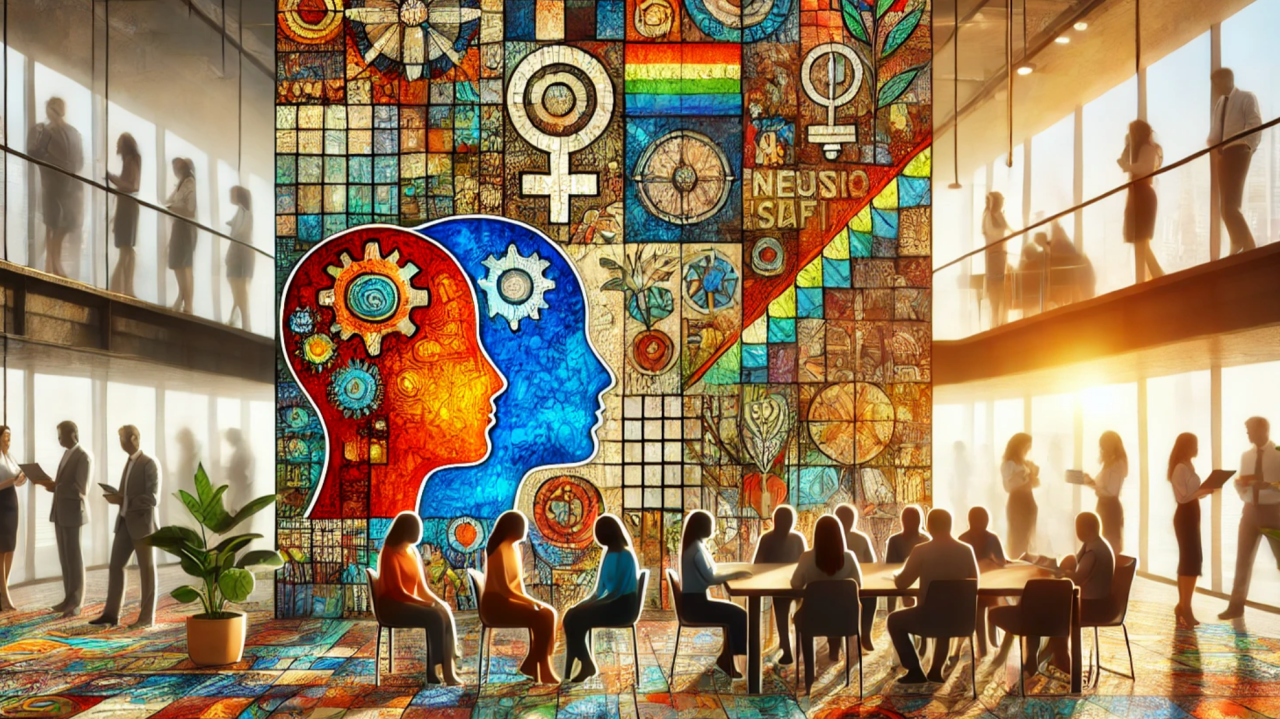
Navigating multiple views of neurodiversity whilst designing ways to maintain high levels of empathy for all has been exceptionally difficult in the ever more divisive -and divided- fractured organisational landscape of today. Speaking to smart people-leaders has helped me see new facets of challenges and talents many employees hide underneath their every-day “I’m Fine, it’s Fine” business suits armour. In helping them find ways to declare war on the armour and genuinely reach their colleagues, I found there’s much we’ve put off considering on the complex DEI topics and we can not allow for dismantling any inclusivity efforts before we rectify this.
Fundamentally inbuilt at the very base of the entire pyramid of topics that make up safety and inclusion at work - intersectionality: the way parts, sides, and dimensions of our human experience intersect and morph into each other. There are countless facets that, in various proportions, define those of us who don't neatly fit the mold. Let's call us "The Differents" for the sake of this reflection. Crucial to understand is that we are different in several ways at once. After all, no one is "only" autistic or "only" a single parent or "only" gender-non-conforming or "only" economically disadvantaged or "only" racially marginalised. These identities weave together, layering like film slides, each frame essential to bringing the full picture into motion.
Just consider how race, economic status, geography, and belief systems add complexity to these intersections. Being neurodivergent in an urban tech hub is vastly different from being neurodivergent in a rural, underfunded community. A Black autistic woman experiences workplaces differently than a white autistic man. A trans person navigating a high-income corporate role encounters different challenges than someone in a precarious gig economy job. These combinations aren't just footnotes; they fundamentally shape lived experiences.
Here is the uncomfortable truth: when these differences are overlooked or flattened into single-choice neat categories in the workplace, companies accrue even more HumanDebt. Just as Technical Debt builds up when shortcuts are taken in software, one of the ways in which HumanDebt accumulates, is when people in all their messy, intricate identities are reduced to checkbox diversity. It happens when we create performative inclusion policies but sideline neurodivergent voices in leadership and drive our best employees to fear disclosing a diagnosis, an identity, or any authentic data. It happens when we invest in DEI initiatives but fail to consider how socioeconomic background or cultural expectations influence workplace behavior or be genuinely curious about any of these challenges together.
So how many of us Differents are out there? What categories are we using to count us, and which experiences are being quietly excluded? Any gut-level estimation feels insufficient. But the bigger question looms. Why does it matter? How few of us Differents would there need to be for it to justify not caring? What is the threshold of difference that makes supporting us worthwhile?