They Say You Can't Spell "Hero" Without "HR"
Today’s video is appealing to HR and it is straight from the heart. People need a people hero to establish the need for the human work and they need them yesterday. Over the past week, the terrifying events at Twitter (and Meta) are a lot worse than meets the eye. This calls for a major...

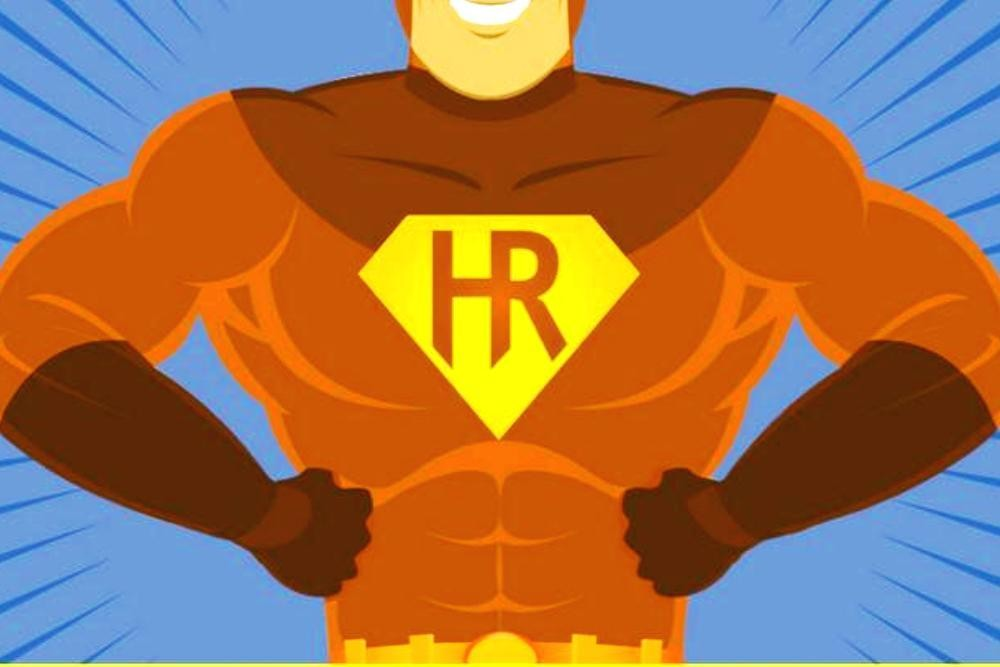
Today’s video is appealing to HR and it is straight from the heart. People need a people hero to establish the need for the human work and they need them yesterday.
Over the past week, the terrifying events at Twitter (and Meta) are a lot worse than meets the eye. This calls for a major reaction. We have to urgently find ways to carry the “We must all do human work routinely” message immediately in every enterprise because otherwise, we risk the window of opportunity for the people topics to have closed altogether.
A year ago it was inconceivable that we would ever return to a time where being physically present was a work prerequisite and where eyes roll around “fluffy topics. No one was accused of being a snowflake for mentioning self-care. The mental health crisis in the workplace was starting to be affirmed and studied and people were being clear about their disenchantment with the workplace either as part of the great resignation or by quietly quitting and being actively disengaged whenever polled.
This vaguely resonated with even the oldest of old-school command and controllers leaders and they recognised this as part of that annoying eternal adagio of “We must put people first and empower them, keep them safe, help them grow and have them happy or they won’t be high performing” they kept hearing from he “woke” side while the big consultancies still reassured them that “No, we just need to revamp the recruitment practices program and say we are more diverse” in fancy slides.
A year ago, we were on our way to the “POC of remote work” aka the pandemic to have truly delivered us collectively to a shore where human emotions and workers’ (including leaders!) wellbeing was paramount not out of moral imperatives alone but because it makes good economic sense in this day and age.