Everyone Is on the Spectrum
Today’s article was going to be about the term “DevOps Culture” as it intrigues me both in terminology, definition and (feeble and spotty) execution. But that article will have to wait and instead, I will possibly annoy some of my both-newsletters-subscribers. As I said before, the intersection...

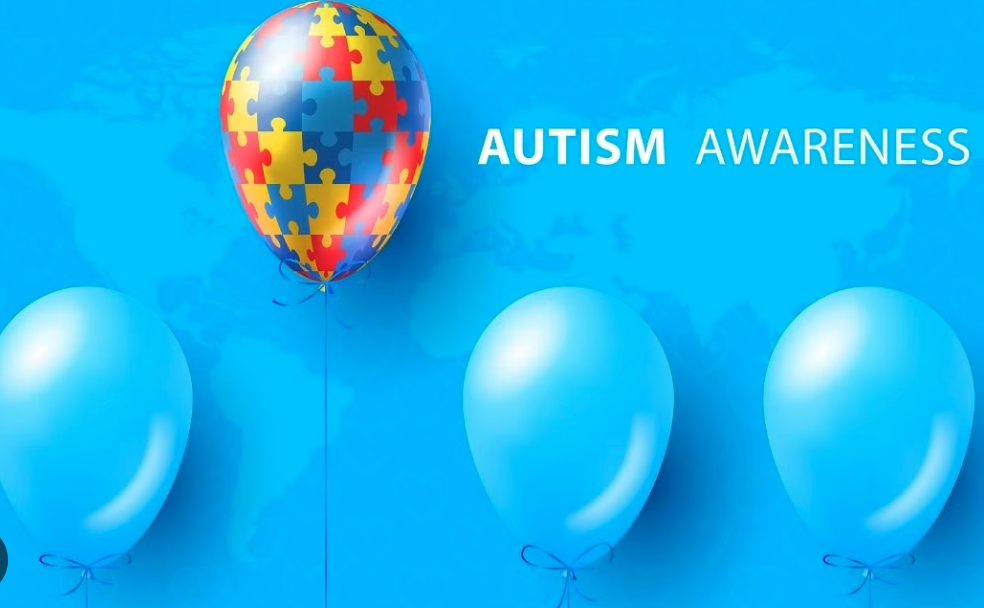
Today’s article was going to be about the term “DevOps Culture” as it intrigues me both in terminology, definition and (feeble and spotty) execution. But that article will have to wait and instead, I will possibly annoy some of my both-newsletters-subscribers. As I said before, the intersection between here and the other newsletter I write on Mondays and Tuesdays called “Chasing Psychological Safety” is neither complete nor clear so at times, when it’s important, I need to write some things on both. Today’s topic is one of the important ones: Autism and what it may mean for technical people and every professional in general.
I wrote this piece called “Autism and I” and I’ve poured my soul into it (reproduced below, please stop reading it now if you have already done so yesterday and apologies!) but I also wrote a bit for my subscribers on Substack that contains my “autism life hacks” of sort entitled “Presumptuous Advice for Surviving Autism in Technology” but neither of these is really even scratching the surface of how much more needs to be said, thought of, debated and done to tackle the immense HumanDebt we owe neurodivergent people in the workplace.
It is a topic in need of exploring and one that I believe is intrinsically connected to the future of WFAA (Work from Anywhere, Anytime) because to understand the autistic mind is to understand the imperative for flexibility.
My story is below, what’s yours? When did you first know you’re on the spectrum? What have you done so you make your own life easier? What autistic or ADHD hacks have you had to avail yourself of to survive the workplace? How many of your colleagues are on the spectrum? Is there anyone who is not? Do you know what it takes to get the max out of them? Are there enough “Read-Me”s to help you understand what makes your autistic colleagues tick and how they wish to be interacted with? Is neuro-divergence being talked about, made concessions for and celebrated in your teams or enterprise? Tell us about “Autism and you”.
One of my many pet peeves is being a victim. I stay away from telling my life story as it sounds like it’s made up to be laced with these many horrific moments and hardships at every corner. I try not to delve into that part, nor on being a woman, an immigrant, neuro-divergent or the mother of a trans, autistic kid. But this week, this month, when there is finally enough momentum that D&I initiates everywhere are taking notice of Autism Awareness Month, talking about some of these may be useful so I’m doing my part.