EQ - From "Fluffy" Term to Indispensable Skill Set
Our “broken record” thesis? “We have to normalise doing “the human work” if we expect performance”, you read it here every week. This week I invite us again, to think of Emotional Intelligence. We wrote about it often and as a company, we spent a long time thinking about the topic and its...

Our “broken record” thesis? “We have to normalise doing “the human work” if we expect performance”, you read it here every week. This week I invite us again, to think of Emotional Intelligence. We wrote about it often and as a company, we spent a long time thinking about the topic and its relevance to the work we do with teams.
For a while, at PeopleNotTech we even started developing something called an “EQ Trainer” but that was back in the day when we erroneously thought a lot of the work rested with the team leader in lieu of the team. We then realised that was, of course, wrong, admitted that and pivoted away from that product-wise as it dawned on our team that it is only the group that can change group behaviours so it isn’t any one individual's EQ in isolation that matters. In essence every team activity and play in our playbook ends up doubling as an EQ-enhancer by its very nature that allows teams to go deep, hear each other and empathise but the goal is not emotional intelligence in itself but the team dynamic. This we have found to be manyfold more effective than the most honest and vulnerable of well-intentioned individual modelling there is.
The topic of emotional intelligence is often lumped with all the other “fluffy” topics under “soft skills” - previously firmly seen as an afterthought if not even as a silly and unprofessional nuisance, is finally taking its rightful place in the public discourse of the business world thanks to the same accelerator we have mentioned before: the pandemic. There is no doubt that the dramatic episode we traversed has changed the face of work as we knew it and that with the changes a tsunami of support for the “humanity at work” topic has risen. Today, terms that used to be shunned or met with eye-rolls as if they were useless in a professional environment are very much being debated, discussed and worked on. So much of the vernacular of the people topics now features on strategic agendas that we can not deny the net wins that the pandemic has given the human topics and that is what makes us optimistic when it comes to the future of work. That said, while we talk about “empathy” and "listening" a lot, not much of the discourse focused on the overarching context of having to have emotional intelligence.
A relatively new notion, EQ’s oversimplified definition is the ability to understand our emotions and the emotions of others and while its counterpart, intellectual ability benefits from years and years of formal education formulated in ways that aid its development, the emotional ability is not being formally trained during either our formative years or, at the very least in a higher educational setting when it becomes clear that the students are on a leadership path. With scant exceptions there are but few educational providers to even offer specialised courses leave alone are there places where it is, as it would make sense, discussed and taught as part of the overall curriculum.
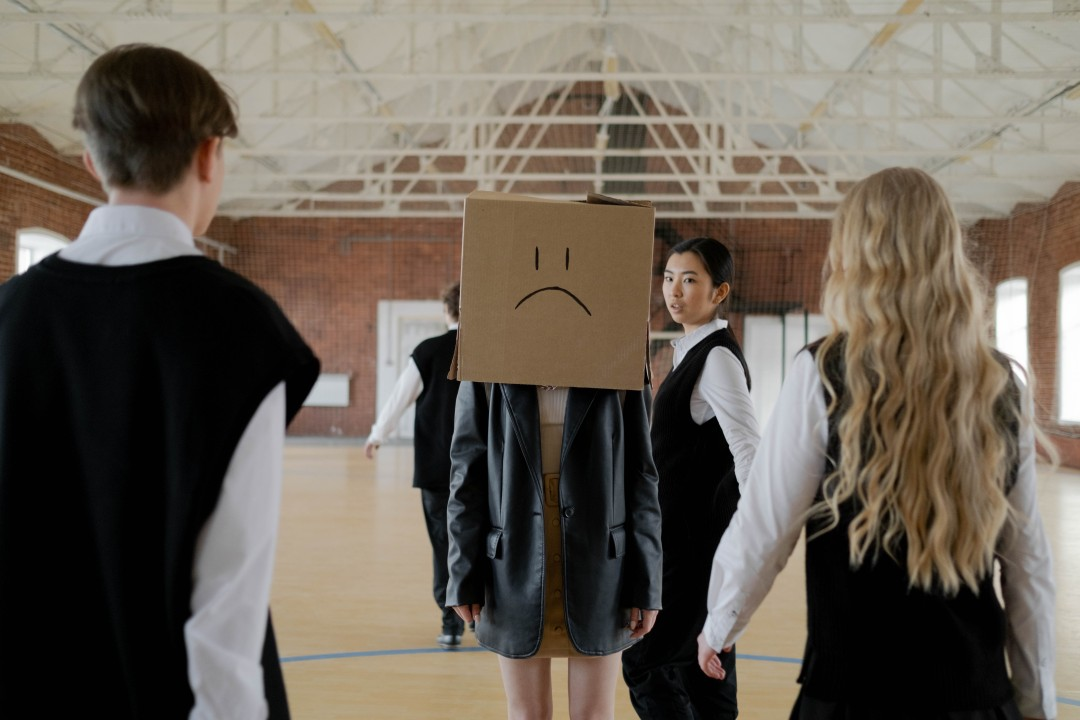
So if education doesn’t train it how do humans acquire and increase EQ? Through social norms and life experiences and that serves us perfectly well in a non-professional environment where those norms recognise the existence of feelings and their effect on us. When it comes to the world of work though, things are not so simple and little is naturally developing in the way of emotional intelligence due to how the topic of emotions at work had been all by banned in most workplaces at least prior to the pandemic.