Autism and I
One of my many pet peeves is being a victim. I stay away from telling my life story as it sounds like it’s made up to be laced with these many horrific moments and hardships at every corner. I try not to delve into that part, nor on being a woman, an immigrant, neuro-divergent or the mother of a...

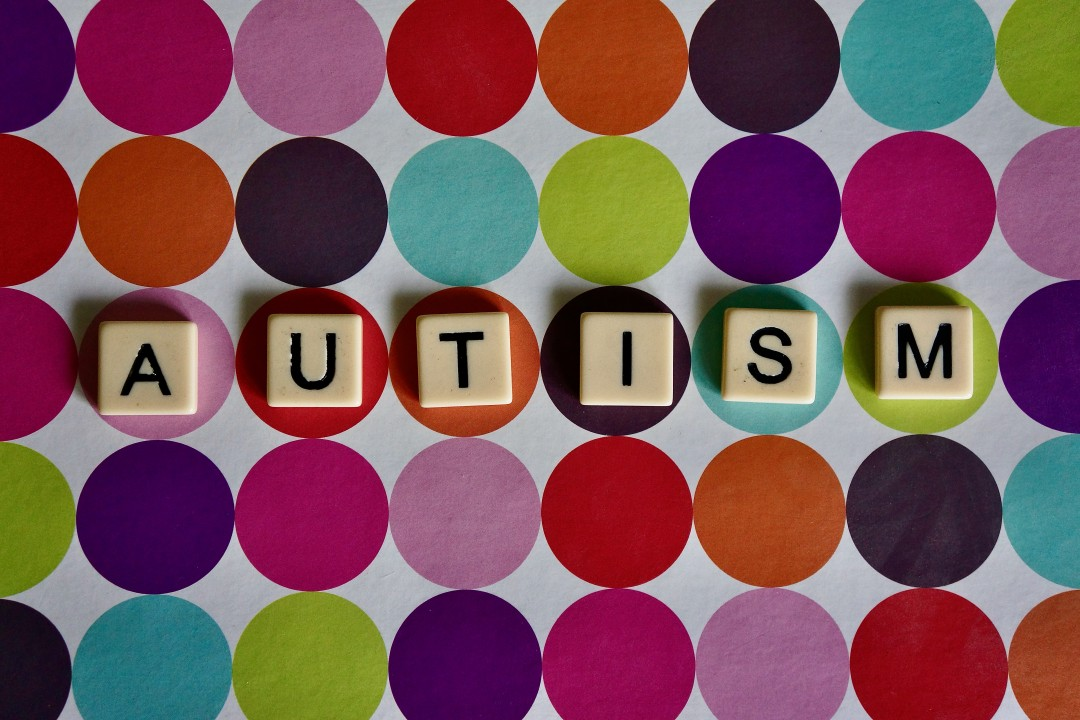
One of my many pet peeves is being a victim. I stay away from telling my life story as it sounds like it’s made up to be laced with these many horrific moments and hardships at every corner. I try not to delve into that part, nor on being a woman, an immigrant, neuro-divergent or the mother of a trans, autistic kid. But this week, this month, when there is finally enough momentum that D&I initiates everywhere are taking notice of Autism Awareness Month, talking about some of these may be useful so I’m doing my part.
I’m neuro-divergent. My kid is on the spectrum, his dad is on the spectrum, his step-dad (is likely) on the spectrum, as are my step-kids and in retrospect a large proportion of our respective families. Furthermore, I work with technologists and teams - neuro-typical people are the exception, not the norm and I appreciate that being the case, I love seeing neurodivergent candidates applying!
So Autism and I are close, old friends. It’s a unique position, I am very fortunate. I’m surrounded by diverse thought patterns and incommensurable imagination, tremendous memory, unparalleled humour, deep insight, wisdom, intense empathy and minds that work in unusual and unpredictable but beautiful ways. I’m very grateful for that. For all the brains that work differently and see things in new lights, mine included.
When we need innovation, having alternative points of view and the ability to think in ways that do not come easy for some is invaluable, so having autism around to offer that, is a gift and a competitive advantage. There’s no doubt about the value of autistic minds logically and I don’t believe anyone would argue otherwise. Why is it then, that being autistic is so under-reported, under-acknowledged and under-represented in the workplace? And why is it that so many of us still keep it on the down low as if they had been done a favour to be employed for their brand of weird?
My theory is that collectively, as a society, we have only recently become civilised enough to compassionately notice and make way for those of us who need special provision be it for their personality, their gender, their sexual preference or their brains and that’s what escapes the small minds of those who demand to be told: “Why there were no trans kids and much fewer autistic kids in the 70s?!?”